Views: 0 Author: Site Editor Publish Time: 2026-04-16 Origin: Site


Looking for a smarter way to train at home? A Pilates Reformer may be the answer. It brings full-body workouts into small spaces. In this article, you will learn the best Pilates equipment for home workouts in 2026.
A Pilates Reformer is a versatile fitness machine designed for controlled resistance training. It uses a sliding carriage, adjustable springs, and guided rails to create smooth, low-impact movement. Unlike traditional gym equipment, it focuses on precision, balance, and core engagement rather than heavy lifting.
From a training perspective, it delivers more than just strength. It builds stability, coordination, and posture at the same time. This makes it ideal for home workouts where space and efficiency matter.
| Component | Function | Benefit for Home Users |
|---|---|---|
| Carriage | Sliding platform | Enables full-body controlled movement |
| Springs | Adjustable resistance | Suitable for all fitness levels |
| Rails & Rollers | Guide smooth motion | Quiet and stable for home environments |
| Straps & Pulleys | Expand exercise range | Adds versatility without extra equipment |
Another key advantage is how it combines multiple training styles into one system. It supports stretching, strength training, and recovery work in a single session. That makes it more efficient than using several separate machines.
For home users, this means one machine can replace several pieces of equipment. It saves space while still delivering a complete workout experience.
Home fitness habits have changed quickly in recent years. People want flexibility, convenience, and control over their routines. Pilates Reformer equipment fits perfectly into this shift.
More people prefer working out at home. It saves commuting time. It allows flexible scheduling.
There is rising demand for compact and foldable equipment. Smaller homes need smarter solutions.
Users want multi-functional machines. One device should support many exercises.
Instead of building a full gym, users now focus on efficient setups. A Pilates Reformer meets this need by offering full-body training in a compact footprint.
Technology also plays a role in this growth. Many users now follow guided sessions through apps or online platforms. The Pilates Reformer integrates well into these routines because it supports structured, repeatable movements.
Another reason for its popularity is long-term usability. Unlike trend-based equipment, it adapts to different fitness stages.
Beginners can start with light resistance. They focus on form and control.
Intermediate users can increase intensity gradually. They build strength and endurance.
Advanced users can perform complex routines. They simulate studio-level training.
Because of this flexibility, it becomes a long-term investment rather than a short-term tool. It grows with the user, making it one of the most practical choices for home workouts in 2026.
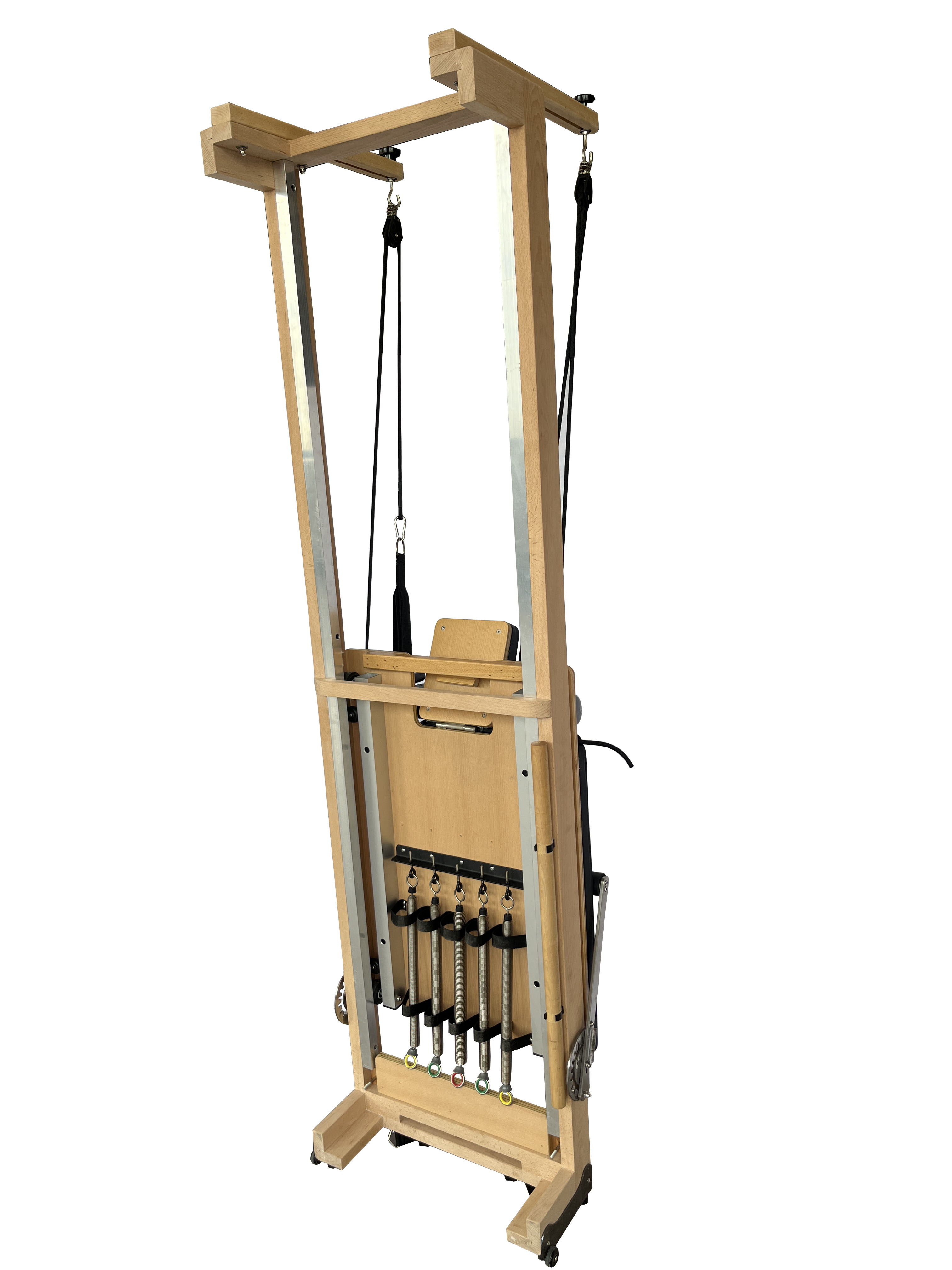
Choosing the right Pilates Reformer for home workouts depends on space, experience level, and training goals. Different designs serve different lifestyles. Some prioritize portability, while others focus on performance and durability. Understanding these categories helps users build a more efficient and personalized home setup.
A foldable Pilates Reformer is built for flexibility in modern living environments. Many homes do not have a dedicated fitness room, so equipment must adapt to shared spaces. This type of reformer solves that challenge by combining full functionality with easy storage.
A foldable frame design allows quick setup and storage after each session. This keeps living areas clean and organized. Daily workouts become easier to maintain.
A compact footprint fits apartments, bedrooms, or small studios. Even limited spaces can support a full Pilates routine.
Integrated transport wheels or lightweight structure make repositioning simple. Moving the machine requires minimal effort.
Instead of occupying permanent space, this type blends into daily life. After training, it can be stored away without disrupting furniture layout. Many modern models still include smooth rails and adjustable springs, so performance does not feel compromised.
A mini Pilates Reformer is designed for accessibility and simplicity. It removes complexity from the workout process, making it ideal for users who are just starting. Instead of overwhelming features, the focus stays on basic movement and control.
A lightweight structure makes it easy to move between rooms. Setup takes only a few minutes, which encourages consistent use.
A budget-friendly price range lowers the entry barrier. More users can experience Pilates without a large investment.
A simplified resistance system still supports strength, flexibility, and posture training. Beginners can learn proper technique step by step.
This type works well for users exploring Pilates for the first time. It allows gradual progress without pressure. Movements remain controlled and manageable, which builds confidence early in the training journey.
Basic exercises become easier to learn and repeat. Muscle memory develops more naturally.
Quick setup reduces friction before workouts. Regular practice becomes more realistic.
Smaller dimensions fit tight spaces without sacrificing usability.
Many users start here before upgrading to more advanced reformers. It creates a smooth learning curve from beginner to intermediate levels.
A wooden Pilates Reformer combines performance with visual appeal. It is often chosen by users who want a professional feel at home. Beyond function, it adds a sense of design and quality to the workout environment.
A solid wood frame, often made from beechwood, provides strong structural support. Stability improves safety and confidence during movement.
A premium aesthetic finish blends into modern interiors. The machine feels like part of the space, not just equipment.
A durable construction supports long-term use. Wear and tear become less of a concern over time.
This type of reformer creates a studio-like atmosphere at home. Movements feel smoother, and the structure remains stable even during more advanced exercises. It suits users who train regularly and expect consistent performance.
| Material Type | Key Advantage | Ideal User Scenario |
|---|---|---|
| Beechwood | Strong and stable structure | Home studios and long-term use |
| Hardwood mix | Premium look and durability | Design-focused environments |
| Reinforced wood frame | Enhanced support | Advanced or frequent users |
A mini studio Pilates Reformer offers a more complete training system. It brings professional-level features into a home environment. This makes it suitable for users who want more than basic workouts.
Built-in jump boards, sitting boxes, and pulley systems expand exercise options. Training becomes more dynamic and varied.
A multi-level resistance system allows gradual progression. Users can adjust intensity as strength improves.
A studio-style configuration supports advanced routines. Home workouts feel closer to professional sessions.
Compared to entry-level machines, this type delivers greater versatility. It supports strength development, flexibility training, and rehabilitation work in one system.
Full-body workouts become more efficient. Multiple muscle groups can be trained in a single session.
Controlled resistance supports safer recovery exercises. This is useful for injury prevention and rehab.
Advanced users can maintain higher training intensity without visiting a studio.
For those serious about Pilates, this type transforms a home space into a functional training environment. It offers both depth and flexibility in daily workouts.
Selecting the right Pilates Reformer is not only about price or appearance. It depends on how you live, how much space you have, and how often you plan to train. A well-chosen machine should fit naturally into your daily routine, not disrupt it. When evaluating options, it helps to focus on practical factors first, then performance details.
Space is usually the first limitation in a home environment. Many users do not have a dedicated workout room. Instead, they share space with furniture, work areas, or family activities. This makes size and storage flexibility critical.
A foldable Pilates Reformer works well in multi-use spaces. After a session, it can be stored vertically or placed against a wall. This reduces clutter and keeps the room functional.
A fixed frame reformer provides more stability. However, it requires a permanent spot. This option suits users who have a dedicated home gym or studio.
Accurate measurement of your workout area helps avoid mistakes. Leave extra room around the machine for safe movement and stretching.
Portability also plays a role in daily use. Some machines include wheels or lighter frames, making them easier to move between rooms.
The construction of a Pilates Reformer directly affects safety, durability, and overall performance. Materials influence how stable the machine feels during use and how long it lasts under repeated workouts.
A wooden frame, often made from beechwood, provides strong support. It absorbs vibration well, which improves stability. Many users also prefer its natural appearance.
An aluminum frame offers a lighter structure. It is easier to move and often used in more compact designs. This makes it suitable for flexible home setups.
The rail system and rollers determine how smooth the carriage moves. High-quality rollers reduce friction and noise, which is important in shared living spaces.
Weight capacity is another important factor. A stronger frame supports more users and increases safety during dynamic exercises.
Higher load capacity means better structural integrity. This reduces wobbling during use.
Stable construction improves confidence during advanced movements.
Durable materials reduce long-term maintenance needs.
| Material Type | Key Benefit | Best Use Case |
|---|---|---|
| Beechwood | Stability and durability | Premium home studios |
| Aluminum | Lightweight and portable | Compact or flexible spaces |
| Mixed frame | Balance of strength and mobility | General home use |
The resistance system is the core of any Pilates Reformer. It defines how effective the workout feels and how easily users can progress over time. Most machines rely on spring-based resistance, but the quality and configuration vary.
Multiple spring levels allow gradual progression. Beginners can start light, while advanced users increase intensity.
Consistent tension ensures smooth movement. Poor-quality springs may lose resistance over time, reducing effectiveness.
A well-designed system supports different training styles. Strength training, stretching, and rehabilitation all require different resistance levels.
Performance also depends on how easily adjustments can be made. Quick changes between exercises keep workouts efficient and engaging.
Smooth transitions between resistance levels improve workout flow.
Balanced tension prevents sudden jerks or instability.
A wider range of resistance supports long-term progression.
When choosing a reformer, it helps to think about future use. A machine that supports only basic resistance may limit growth later.
Comfort and usability often determine whether a machine gets used regularly. Even a high-performance Pilates Reformer can feel inconvenient if it is noisy or difficult to adjust.
Silent carriage movement is important in home settings. Noise can disturb others, especially in shared spaces. Smooth rails and quality rollers reduce sound significantly.
Padding and strap design affect comfort during longer sessions. Well-cushioned surfaces reduce pressure on joints and improve endurance.
Ergonomic features such as adjustable foot bars and pulley heights allow better alignment. This reduces strain and improves exercise accuracy.
Ease of use also matters. A machine should feel intuitive from the first session.
Quick adjustment systems save time between exercises.
Clear resistance settings make training more consistent.
Simple setup encourages more frequent use.
When all these elements come together, the Pilates Reformer becomes part of daily life rather than a complicated tool.
A Pilates Reformer already delivers a full-body workout. Still, adding the right accessories can expand its potential. These tools do not take much space. They improve movement quality and make routines more engaging. Many home users combine a reformer with a few compact items to create a more complete setup.
The Pilates Ring, often called the Magic Circle, is a simple yet effective tool. It adds resistance through compression, helping users activate muscles more precisely. It works well alongside a Pilates Reformer, especially for controlled and targeted exercises.
The ring improves muscle engagement by forcing controlled pressure. This helps activate inner thighs, arms, and core muscles more effectively.
It supports toning exercises without adding bulk. The resistance feels light, yet consistent during movement.
It enhances mind-muscle connection. Each squeeze requires focus, which improves overall control and alignment.
In home workouts, it adds variety without increasing complexity. Users can easily integrate it into reformer routines or use it separately for short sessions.
Upper body exercises become more precise. Arm positioning improves naturally.
Lower body workouts gain better control. Inner thigh activation increases.
Core exercises feel more stable. Movement becomes more intentional.
Resistance bands are one of the most flexible additions to a Pilates Reformer setup. They extend the range of exercises and allow users to train muscles from different angles. They are lightweight, affordable, and easy to store.
Bands expand the exercise range beyond the reformer. They can be used for standing, stretching, or assisted movements.
They are especially useful for upper body training. Shoulder and arm exercises become more dynamic.
They support mobility and flexibility work. Stretching becomes more controlled and effective.
Because they come in different resistance levels, users can adjust intensity easily. This makes them suitable for all fitness levels.
| Band Type | Resistance Level | Typical Use Case |
|---|---|---|
| Light bands | Low resistance | Stretching and rehab exercises |
| Medium bands | Moderate resistance | General strength training |
| Heavy bands | High resistance | Advanced strength and control work |
They work well in combination with a Pilates Reformer. While the reformer focuses on guided motion, bands allow more freedom in movement.
Stability balls and mini Pilates balls introduce balance challenges into workouts. They force the body to stabilize itself, which increases core activation. These tools are simple, yet they significantly change how exercises feel.
A stability ball improves balance and coordination. Larger movements require full-body control.
A mini Pilates ball targets smaller muscle groups. It fits easily into reformer-based routines.
Both tools increase core engagement. The body must adjust constantly to maintain stability.
These accessories also make workouts more dynamic. They break repetition and keep routines interesting.
Balance training becomes more effective. Muscles respond to instability.
Core exercises feel deeper and more controlled. Engagement improves naturally.
Flexibility routines gain variety. Movements feel less repetitive.
In small home spaces, these tools are practical. They are lightweight and easy to store when not in use.
Some accessories are designed specifically to enhance the Pilates Reformer itself. They expand its functionality and bring it closer to a studio-level experience. These additions are often included in more advanced setups.
A sitting box allows more exercise variations. It supports seated, prone, and stretching movements.
A jump board adds cardio elements. It enables low-impact jumping exercises on the reformer.
Adjustable foot straps and pulley systems improve movement control. They allow better alignment during exercises.
These accessories transform the reformer into a more complete system. Instead of using multiple machines, users can perform a wide range of exercises on one setup.
When combined thoughtfully, these accessories create a more engaging and effective home Pilates environment. They allow users to move beyond basic routines and explore a wider range of exercises.
Choosing the right home workout equipment in 2026 means focusing on versatility, space efficiency, and long-term value. A Pilates Reformer stands out because it supports strength, flexibility, balance, and posture training in one machine. From foldable models for small rooms to premium wooden designs for home studios, different options fit different needs. Paired with simple accessories, the workout experience becomes even more complete. Nanjian offers Pilates equipment with durable construction, practical design, and user-friendly features, helping home users build a more effective and comfortable fitness routine.
A: Pilates Reformer is a machine for controlled resistance and full-body training.
A: Pilates Reformer supports guided moves and helps build strength safely.
A: Pilates Reformer saves space and delivers efficient full-body exercise.
A: Pilates Reformer prices vary based on size and features.
A: Pilates Reformer is beginner-friendly and improves posture and control.